
How Can Home Care Improve Quality of Life for Seniors with Parkinson’s?
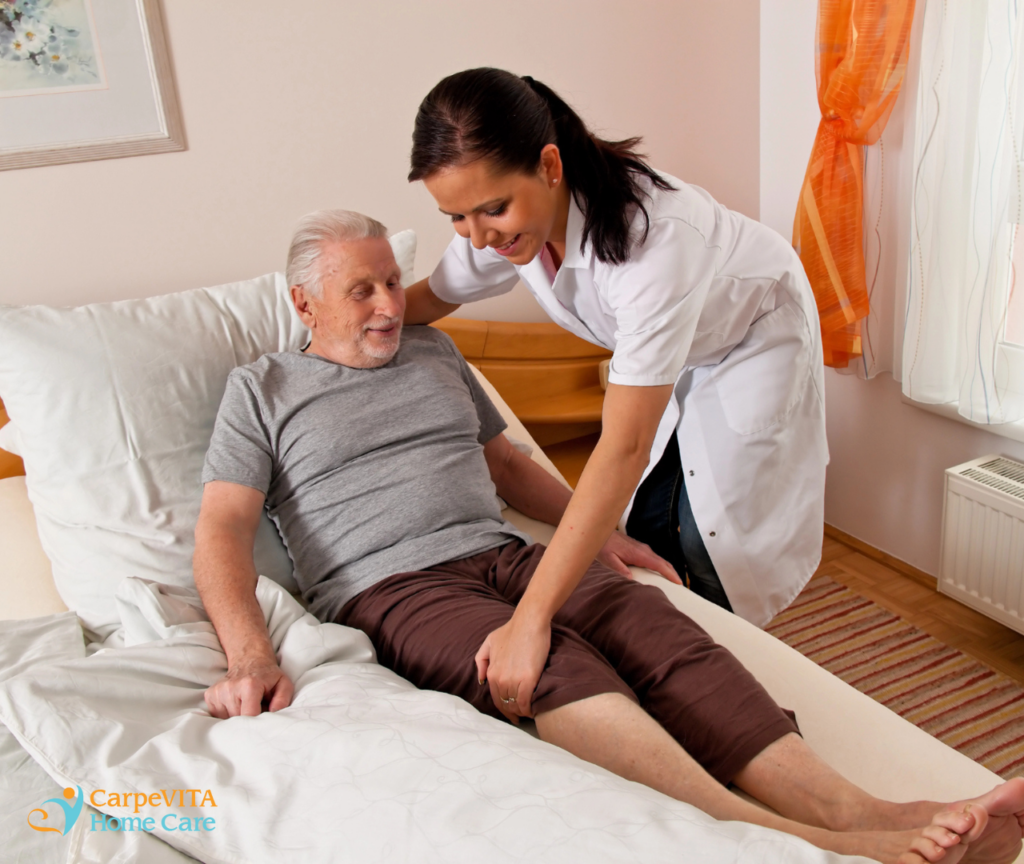
Parkinson’s disease is a progressive neurological condition that affects movement, balance, coordination, and sometimes mood and memory. For seniors living with Parkinson’s, daily activities can gradually become more challenging. Home care offers personalized support that helps maintain independence, improve comfort, and enhance overall quality of life. With the right strategies, seniors with Parkinson’s can continue living safely and confidently in familiar surroundings.
Understanding Parkinson’s in Older Adults
Parkinson’s disease develops when nerve cells in the brain that produce dopamine become damaged. Dopamine helps control smooth and coordinated muscle movements. As dopamine levels decrease, symptoms such as tremors, stiffness, slowed movement, and balance problems appear. According to the Parkinson’s Foundation and the National Institute on Aging, Parkinson’s symptoms vary widely from person to person and often progress gradually over time.
In addition to physical symptoms, seniors may experience fatigue, sleep disturbances, depression, anxiety, and mild cognitive changes. These challenges can affect confidence and emotional well being. Home care addresses both physical and emotional needs.
How Home Care Enhances Daily Living
Home care allows seniors to remain in a familiar environment. This consistency reduces stress and confusion, especially as symptoms change. Professional caregivers provide one on one support tailored to individual needs.
Caregivers assist with daily activities such as bathing, dressing, grooming, and meal preparation. Since Parkinson’s can cause stiffness and slow movement, even simple tasks may require extra time and patience. Gentle assistance preserves dignity while reducing frustration.
Medication management is another critical aspect. Parkinson’s medications must be taken on a strict schedule to maintain symptom control. Caregivers ensure medications are taken on time and monitor for side effects. Consistent medication timing can significantly improve mobility and reduce tremors.
Quality of Life Tips for Seniors with Parkinson’s
Improving quality of life involves combining medical care with practical daily strategies.
Maintain a Structured Routine
Predictable routines provide stability. Scheduling meals, medication, exercise, and rest at consistent times helps manage symptoms. Routine also reduces anxiety and mental fatigue.
Encourage Safe Physical Activity
Exercise plays a vital role in managing Parkinson’s. Gentle activities such as walking, stretching, or chair exercises improve flexibility, strength, and balance. Regular movement can slow physical decline and enhance mood. Caregivers can assist with supervised exercise to prevent falls.
Focus on Balanced Nutrition
A healthy diet supports energy and muscle function. Meals rich in fruits, vegetables, lean proteins, and whole grains promote overall health. Adequate hydration is equally important. In some cases, protein intake may need to be timed carefully around medication schedules to ensure proper absorption.
Create a Safe Home Environment
Fall prevention is essential. Removing loose rugs, improving lighting, and installing grab bars in bathrooms can reduce risks. Keeping frequently used items within easy reach prevents unnecessary strain.
Support Speech and Communication
Parkinson’s may affect speech clarity and volume. Caregivers can encourage slow, deliberate speech and provide patience during conversations. Speech therapy exercises recommended by healthcare professionals can strengthen communication skills.
Address Emotional Well Being
Depression and anxiety are common in Parkinson’s. Companionship, regular social interaction, and engaging activities such as reading or listening to music can boost mood. Encouraging hobbies helps maintain a sense of identity and purpose.
Health Improvements Through Home Care
Home care promotes measurable health improvements by addressing both prevention and symptom management.
First, consistent medication management improves symptom control. Proper timing reduces fluctuations in mobility and energy.
Second, fall prevention measures lower the risk of injury. Seniors with Parkinson’s have a higher risk of falls due to balance issues. By providing mobility assistance and maintaining a safe environment, caregivers reduce hospital visits and complications.
Third, proper nutrition and hydration strengthen the immune system and prevent weight loss or weakness. Monitoring weight and appetite ensures early detection of changes.
Fourth, emotional support reduces stress. Chronic stress can worsen physical symptoms. A calm environment with supportive caregivers promotes relaxation and stability.
Finally, early monitoring of symptom progression allows timely medical intervention. Caregivers who observe increased stiffness, changes in walking patterns, or cognitive shifts can inform healthcare providers promptly.
Promoting Independence and Dignity
One of the most important goals of home care is preserving independence. Even when assistance is needed, seniors should be encouraged to perform tasks they can manage safely. Small accomplishments build confidence.
Adaptive tools such as utensils with larger grips, button hooks for dressing, and shower chairs make daily tasks easier. Caregivers can introduce these aids gradually to avoid overwhelming the individual.
Respect and patience are key. Parkinson’s can slow movements significantly, but rushing increases stress. Allowing extra time supports both physical safety and emotional comfort.
Family Involvement and Education
Home care also benefits families. Caregivers can educate family members about symptom management, safe mobility techniques, and communication strategies. This shared understanding creates a supportive network around the senior.
Respite care offers family caregivers time to rest, reducing burnout and maintaining positive relationships.
Conclusion
Home care significantly improves quality of life for seniors with Parkinson’s by combining personalized assistance, safety measures, emotional support, and structured routines. Through medication management, physical activity, balanced nutrition, and a safe home environment, seniors can experience better symptom control and enhanced well being.
With compassionate care and thoughtful planning, individuals living with Parkinson’s can maintain dignity, independence, and comfort in the place they call home.

