
How Can International Day of Older Persons Encourage Greater Independence for Seniors?
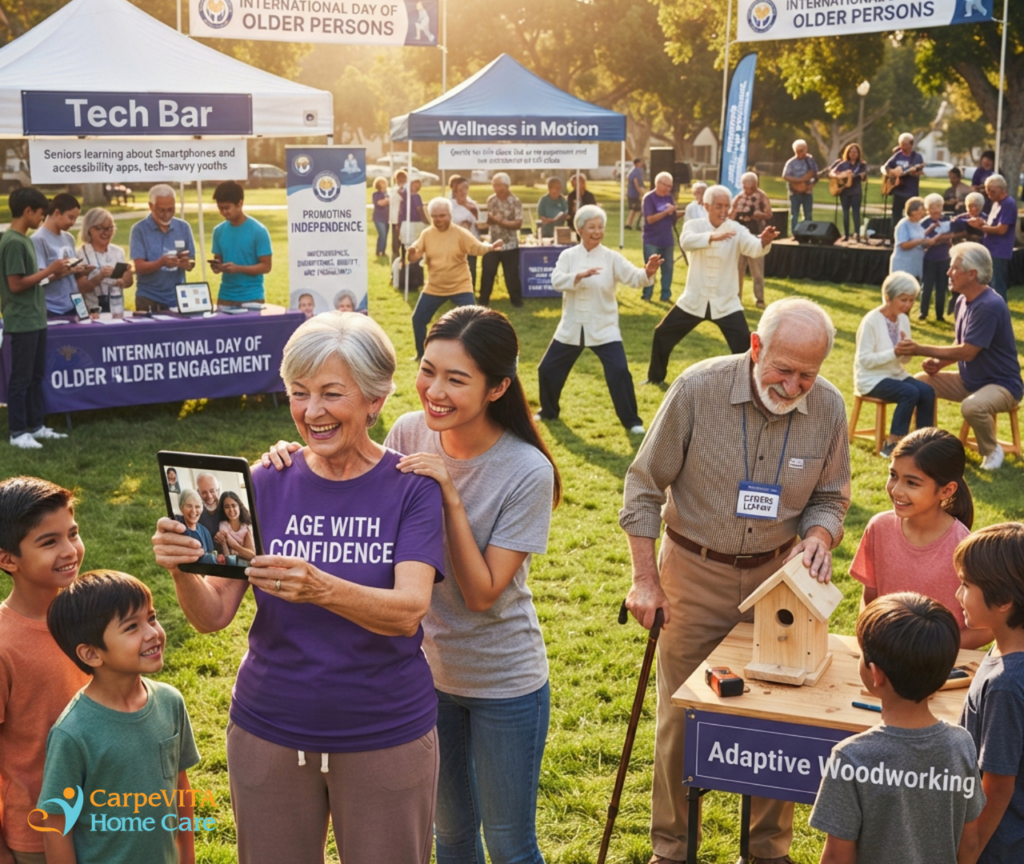
International Day of Older Persons can encourage greater independence for seniors by drawing attention to the importance of choice, accessibility, safety, and participation in everyday life. Observed on October 1, the day is a useful reminder for families and communities to consider practical ways older adults can continue doing the things that matter to them. Independence may involve staying active, managing daily routines, maintaining social connections, or receiving the right level of support at home.
What Is International Day of Older Persons?
The International Day of Older Persons is observed each year on October 1. It recognizes older adults and raises awareness about issues that can affect people as they age.
It is also an opportunity to think about how communities, families, and service providers can support older adults in maintaining meaningful and fulfilling lives.
For seniors, independence can take many forms. It might mean:
- Choosing how to spend the day
- Preparing meals
- Visiting friends and family
- Participating in community activities
- Moving safely around the home
- Managing personal routines
- Enjoying hobbies
- Making personal choices about care and support
The amount of assistance each person needs will vary.
What Does Independence Mean for an Older Adult?
Independence does not necessarily mean living without any assistance.
An older adult may receive help with transportation, housekeeping, personal care, or other activities while still making important decisions about daily life.
The goal is often to provide the right amount of support without unnecessarily taking over activities the person can safely perform.
Families can begin by asking older adults what matters most to them. Someone may place a high value on continuing to prepare breakfast, attending weekly activities, caring for a pet, or spending time in the garden.
Understanding these priorities can help families make decisions that support the person’s preferences.
How Can the Home Support Greater Independence?
The home environment can have a major effect on everyday independence.
Small barriers may become more noticeable as mobility, strength, balance, hearing, or vision changes. A dark hallway, loose rug, difficult staircase, or hard-to-reach cabinet may make ordinary activities more challenging.
Families can review the home for possible concerns such as:
- Poor lighting
- Cluttered walkways
- Loose rugs
- Difficult stairs
- Slippery bathroom surfaces
- Frequently used items stored out of reach
- Hard-to-use door handles
- Unsafe outdoor pathways
Simple changes may make daily routines easier. Larger accessibility improvements may also be appropriate depending on the individual’s needs.
How Can Technology Help Seniors Remain Independent?
Technology can provide useful support when it is selected carefully and the older adult is comfortable using it.
Examples may include medication reminders, video calling, voice assistants, emergency alert systems, smart lighting, and easy-to-use communication devices.
Technology should solve a real problem rather than make daily life more complicated.
Before introducing a new device, families should consider whether it is easy to understand, whether the older adult wants to use it, and what happens if the technology stops working.
Privacy and security should also be considered when using connected devices.
How Can Home Care Support Independence?
Home care may help some older adults continue living in familiar surroundings while receiving assistance with everyday needs.
Depending on the agency and individual care plan, non-medical caregivers may assist with:
- Meal preparation
- Light housekeeping
- Personal care
- Dressing and grooming
- Companionship
- Transportation
- Mobility assistance
- Shopping and errands
- Daily routines
- Reminders
The purpose of support should not always be to do everything for the older adult. When appropriate, caregivers can encourage participation in activities the person can safely manage.
For example, an older adult may not be able to prepare an entire meal alone but may still enjoy helping choose ingredients or completing simple preparation tasks.
Why Are Social Connections Important for Independence?
Independence includes more than physical ability. Staying connected with other people can also support an older adult’s quality of life.
Transportation difficulties, changes in mobility, retirement, or the loss of friends and family can make social participation harder.
Families can help older adults stay involved through activities such as:
- Family visits
- Community programs
- Senior center activities
- Religious gatherings
- Clubs and hobbies
- Phone or video conversations
- Meals with friends
- Appropriate volunteer opportunities
The best activities are usually those that match the person’s interests and abilities.
Why Is October a Good Time to Review a Senior’s Needs?
International Day of Older Persons occurs at the beginning of October, when fall is arriving in many areas.
This seasonal change can be a practical reminder to prepare for the months ahead.
Families may want to check outdoor lighting as daylight hours become shorter, inspect walkways for seasonal hazards, prepare for cooler temperatures, and discuss plans for upcoming holidays.
Fall can also be a good time to ask whether an older adult’s needs have changed since earlier in the year.
A person who managed certain activities independently several months ago may now benefit from additional assistance or a change to the home environment.
How Can Families Encourage Independence Without Ignoring Safety?
Finding the right balance between independence and safety can sometimes be difficult.
Families may naturally want to protect an older relative, but automatically taking control of every activity can reduce the person’s ability to make choices.
A better approach may be to involve the older adult in discussions whenever possible.
Ask what tasks are becoming difficult, what assistance would be welcome, and which activities are especially important to maintain.
Healthcare professionals and other qualified specialists can provide guidance when changes in health, mobility, or cognitive abilities raise safety concerns.
How Can International Day of Older Persons Create Lasting Change?
International Day of Older Persons can serve as an annual reminder to listen to older adults and review whether their environment continues to support their goals.
Independence may look different from one person to another. Some seniors may live independently with few changes. Others may benefit from home modifications, technology, family assistance, professional home care, or a combination of supports.
What matters is recognizing that needing some help does not automatically eliminate independence.
By focusing on personal choice, accessibility, social connections, appropriate support, and a safe home environment, families can help older adults remain involved in decisions and daily activities throughout the year.
Legal Disclaimer: This post is strictly for educational use and should not be construed as professional advice (medical, legal, financial, or otherwise).

