
How Is Loneliness Quietly Connected to Physical Decline in Older Adults?
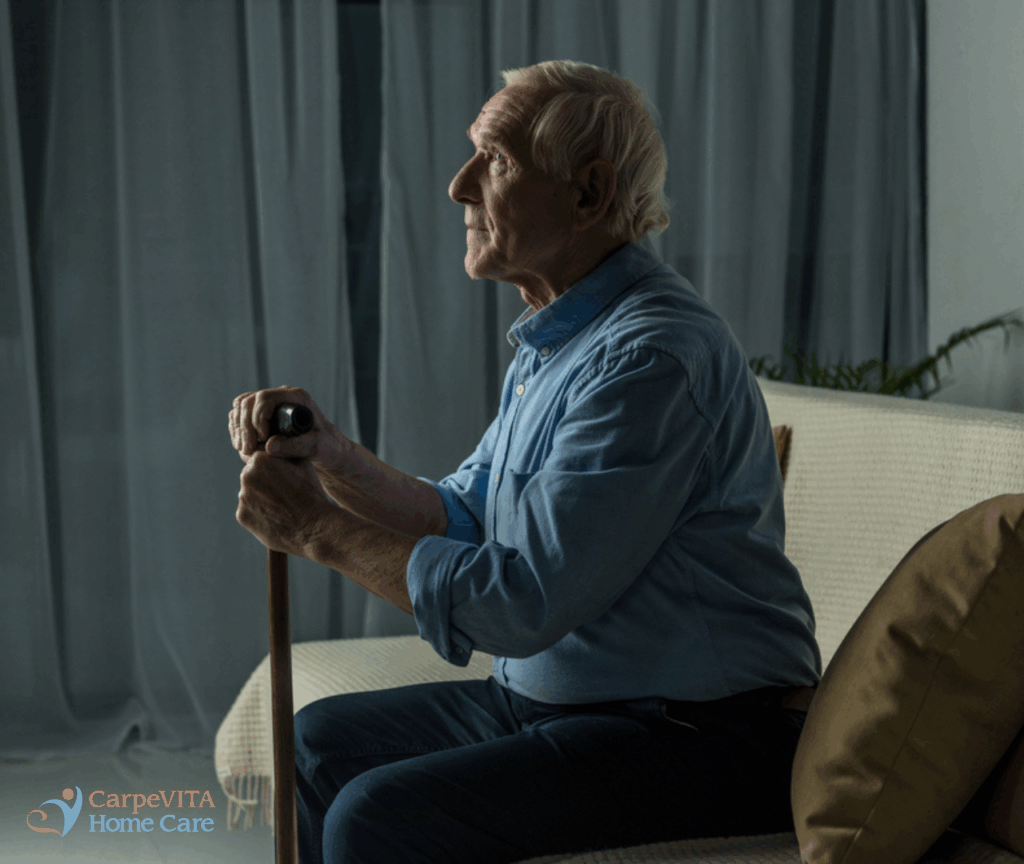
Loneliness does not announce itself loudly. It does not arrive with clear symptoms or urgent warnings. It settles in quietly, often disguised as routine, independence, or even strength. Yet after years of working closely with older adults through home care, mobility support, wellness planning, and everyday conversations, I have learned that loneliness is one of the most underestimated contributors to physical decline in aging.
It is not always about being alone. It is about feeling unseen, unneeded, or disconnected. And that emotional state slowly reshapes the body in ways we rarely talk about.
Loneliness Changes the Body Before We Notice
When people think of physical decline, they often imagine muscle loss, joint pain, or balance issues. What they do not see is how emotional isolation quietly sets these changes in motion.
Loneliness increases stress hormones. It disrupts sleep. It reduces motivation to move, eat well, or engage with daily routines. Over time, these subtle shifts accumulate.
The body begins to conserve energy. Movement becomes less frequent. Muscles weaken not because of age alone, but because they are no longer being asked to participate in life.
Why Seniors Often Do Not Admit They Feel Lonely
Many older adults are deeply proud of their independence. They do not want to burden others or appear vulnerable. Loneliness, to them, can feel like a personal failure rather than a shared human experience.
So instead of saying, “I feel lonely,” they may say:
“I’m just tired.”
“I don’t feel like going out anymore.”
“I’m fine on my own.”
These statements are often accepted at face value. But beneath them is a quiet withdrawal that affects both emotional and physical health.
The Subtle Impact on Daily Movement
Movement is closely tied to purpose. When seniors feel connected, they move more naturally. They walk to meet someone. They cook for others. They maintain routines because those routines matter to someone beyond themselves.
Loneliness removes that incentive.
Without social anchors, daily movement becomes optional. Sitting lasts longer. Walking feels less necessary. Even basic activities like standing, stretching, or changing posture happen less often.
This reduction may seem minor day to day, but over months it contributes to stiffness, balance loss, and reduced endurance.
Loneliness and Chronic Conditions
Loneliness does not just affect mobility. It worsens existing health conditions.
Seniors who feel isolated often experience:
Higher blood pressure
Increased inflammation
Poorer diabetes control
Reduced immune response
Slower recovery from illness
These outcomes are not caused by age alone. They are influenced by the body remaining in a prolonged state of emotional stress.
When the nervous system stays on alert due to loneliness, the body struggles to repair and regulate itself.
The Mind and Body Move Together
Emotional well-being and physical ability are not separate systems. They constantly influence each other.
Loneliness can lead to:
Lower confidence in movement
Fear of falling or getting hurt
Reduced willingness to try new activities
Loss of trust in one’s own body
Once confidence drops, physical decline often follows. Seniors move cautiously, restrict themselves, and gradually lose the strength they were trying to protect.
How Loneliness Affects Appetite and Nutrition
Eating is often a social activity. When meals are shared, they feel meaningful. When eaten alone, they can feel like a chore.
Many older adults who feel lonely skip meals, eat less variety, or rely on convenience foods. Over time, this leads to nutrient deficiencies, muscle loss, and reduced energy.
Physical decline accelerates when the body is undernourished, even if calorie intake appears adequate.
The Illusion of Independence
One of the most overlooked aspects of loneliness is how it hides behind independence.
A senior living alone may appear capable and self-sufficient. They manage their home. They attend appointments. They answer “I’m fine” when asked how they are doing.
But independence without connection can slowly become isolation.
True independence includes support, interaction, and emotional safety. Without those elements, physical health quietly erodes.
Small Connections Make a Physical Difference
Loneliness does not require grand solutions. Small, consistent connections have measurable physical benefits.
Regular check-ins.
Shared routines.
Meaningful conversations.
Feeling remembered.
These moments encourage movement, engagement, and self-care.
When seniors know someone will notice their absence, their posture changes. Their energy lifts. Their willingness to participate in life increases.
Why Families and Care Providers Often Miss It
Loneliness is easy to overlook because it does not show up in charts or scans. It appears in posture, tone of voice, and hesitation.
Families may focus on medication, safety, and logistics while missing emotional signals.
Care providers may ensure physical needs are met without realizing emotional needs are unmet.
Yet emotional neglect can undermine even the best physical care plans.
Reframing Loneliness as a Health Indicator
Loneliness should be treated as a health signal, not a personal weakness.
It deserves the same attention as pain, fatigue, or dizziness.
When we acknowledge loneliness, we create opportunities to slow physical decline, not through force, but through connection.
The Quiet Truth We Need to Accept
Aging does not cause decline on its own. Disconnection accelerates it.
Seniors who feel valued, included, and emotionally supported tend to remain more mobile, resilient, and engaged.
Loneliness steals movement before it steals strength. It weakens the body by dimming the desire to use it.
When we address loneliness with empathy and presence, we are not just improving emotional health. We are protecting physical independence, dignity, and quality of life.
Sometimes the most powerful intervention for aging bodies is simply reminding someone that they are not alone.

