
What Can Families Do to Improve Home Safety During National Safe at Home Week?
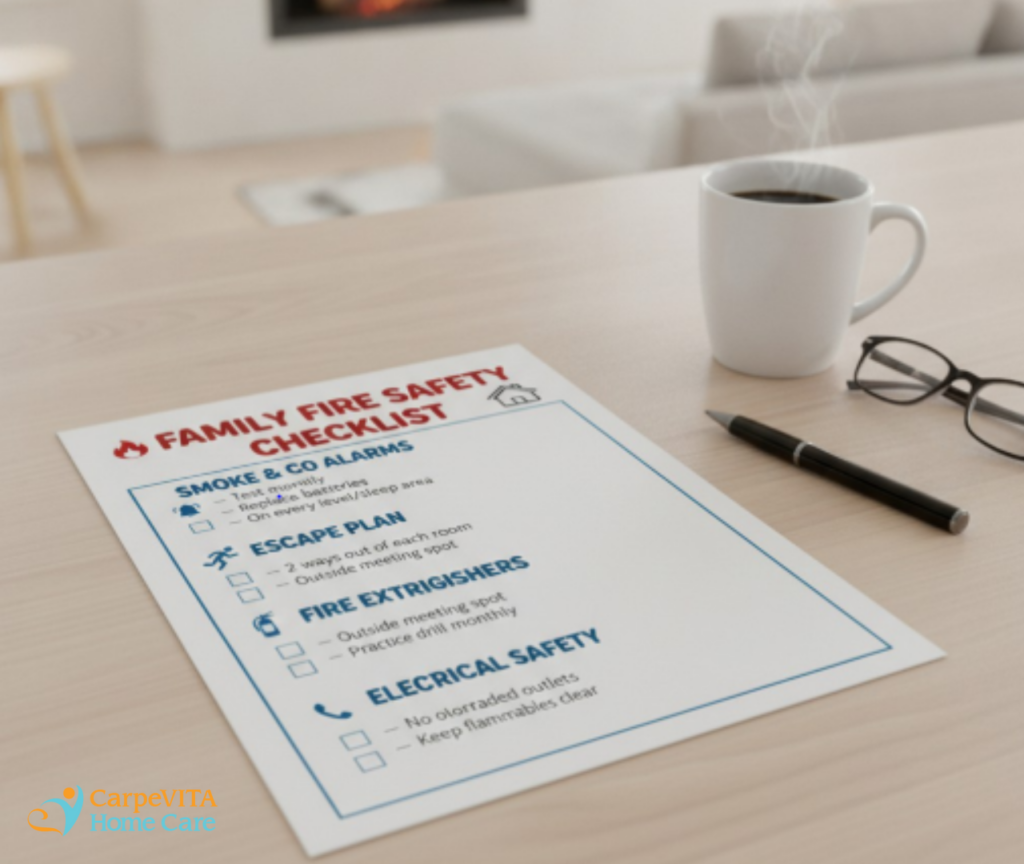
Families can improve home safety during National Safe at Home Week by identifying potential hazards, maintaining their home, practicing emergency preparedness, and preventing common safety risks. Simple preventive measures such as checking smoke alarms, reducing fall hazards, securing entry points, and preventing pests can help create a safer and healthier living environment for everyone.
National Safe at Home Week encourages homeowners to make home safety a priority. It is an excellent time to inspect your property, update emergency plans, and complete routine maintenance that protects your family throughout the year. Small improvements today can prevent accidents, reduce repair costs, and provide greater peace of mind.
Why Home Safety Matters
A safe home supports the health and well-being of every family member. Preventive maintenance can reduce the risk of accidents while protecting your property from damage.
Improving home safety can help:
- Prevent injuries
- Protect children and older adults
- Reduce fire risks
- Improve indoor comfort
- Prevent pest infestations
- Lower unexpected repair costs
Making safety part of your regular home maintenance routine benefits your family year-round.
Test Smoke and Carbon Monoxide Alarms
Working smoke alarms and carbon monoxide detectors are essential for every home.
During National Safe at Home Week:
- Test all alarms.
- Replace batteries if needed.
- Clean dust from alarm units.
- Replace outdated detectors.
- Make sure alarms are installed on every level of the home.
Early warning devices can provide valuable time during an emergency.
Reduce Fall Hazards
Falls are one of the most common causes of injuries at home, especially for older adults.
Reduce fall risks by:
- Removing loose rugs
- Securing electrical cords
- Improving lighting in hallways
- Installing handrails where needed
- Keeping walkways free of clutter
- Cleaning spills immediately
These simple improvements help create a safer environment for all ages.
Check Doors and Windows
Strong doors and secure windows improve both safety and security.
Inspect:
- Door locks
- Window locks
- Weather stripping
- Garage doors
- Sliding door locks
- Entry door hinges
Repairing damaged locks and sealing gaps also helps improve energy efficiency.
Prevent Pest Problems
Keeping pests out of your home supports a healthier living environment.
Take preventive steps such as:
- Sealing cracks around doors and windows
- Repairing damaged screens
- Storing food in airtight containers
- Cleaning kitchens regularly
- Taking out trash frequently
- Reducing moisture around the home
Routine pest prevention helps discourage rodents, ants, termites, and other household pests.
Improve Fire Safety
Fire prevention should always be part of your home safety checklist.
Remember to:
- Keep fire extinguishers accessible
- Avoid overloading electrical outlets
- Inspect electrical cords for damage
- Store flammable materials safely
- Keep cooking areas clean
- Create a family fire escape plan
Reviewing these precautions each year helps everyone know what to do during an emergency.
Prepare an Emergency Kit
An emergency kit can help your family respond more effectively during unexpected situations.
Include items such as:
- Bottled water
- Nonperishable food
- Flashlights
- Extra batteries
- First aid supplies
- Prescription medications
- Phone chargers
- Important contact information
Store your emergency kit in a location that is easy to access.
Complete Seasonal Home Maintenance
National Safe at Home Week is a good reminder to inspect your home for seasonal maintenance needs.
Check:
- Roof shingles
- Gutters
- Foundation cracks
- Outdoor lighting
- Decks and railings
- Driveways and walkways
Completing these tasks can prevent larger maintenance issues later.
Create a Healthier Indoor Environment
A clean home contributes to better health and comfort.
Healthy habits include:
- Vacuuming regularly
- Changing air filters
- Reducing dust buildup
- Improving ventilation
- Repairing water leaks promptly
- Controlling indoor humidity
These practices help improve indoor air quality and reduce conditions that may attract pests.
Summer Is a Great Time for Home Safety
National Safe at Home Week often takes place during the summer, making it an ideal time to complete outdoor maintenance and prepare for changing weather conditions.
Seasonal tasks include:
- Trimming trees away from the house
- Cleaning gutters after storms
- Inspecting fences and gates
- Removing standing water to reduce mosquitoes
- Checking outdoor lighting
- Maintaining walkways and patios
Summer maintenance helps prepare your home before the arrival of cooler seasons.
Involve the Whole Family
Home safety is a shared responsibility.
Encourage family members to:
- Learn emergency phone numbers
- Practice fire escape plans
- Report maintenance issues
- Help keep living spaces organized
- Clean up spills immediately
- Follow basic safety rules
Teaching children and older adults about home safety builds lifelong habits.
When Should You Call a Professional?
Some home safety concerns require professional assistance.
Consider contacting a qualified professional if you notice:
- Electrical problems
- Roof damage
- Foundation cracks
- Plumbing leaks
- Pest infestations
- Structural damage
Professional inspections help identify issues that may not be visible during routine maintenance.
Final Thoughts
National Safe at Home Week is an excellent opportunity to make your home safer through preventive maintenance and healthy habits. Testing smoke alarms, reducing fall hazards, preventing pests, preparing emergency supplies, and completing seasonal inspections all contribute to a safer living environment. By involving the entire family and making home safety a year-round priority, you can reduce risks, protect your property, and enjoy greater peace of mind every day.

