
Why Does Spring Make Seniors Reevaluate What Independence Really Feels Like?
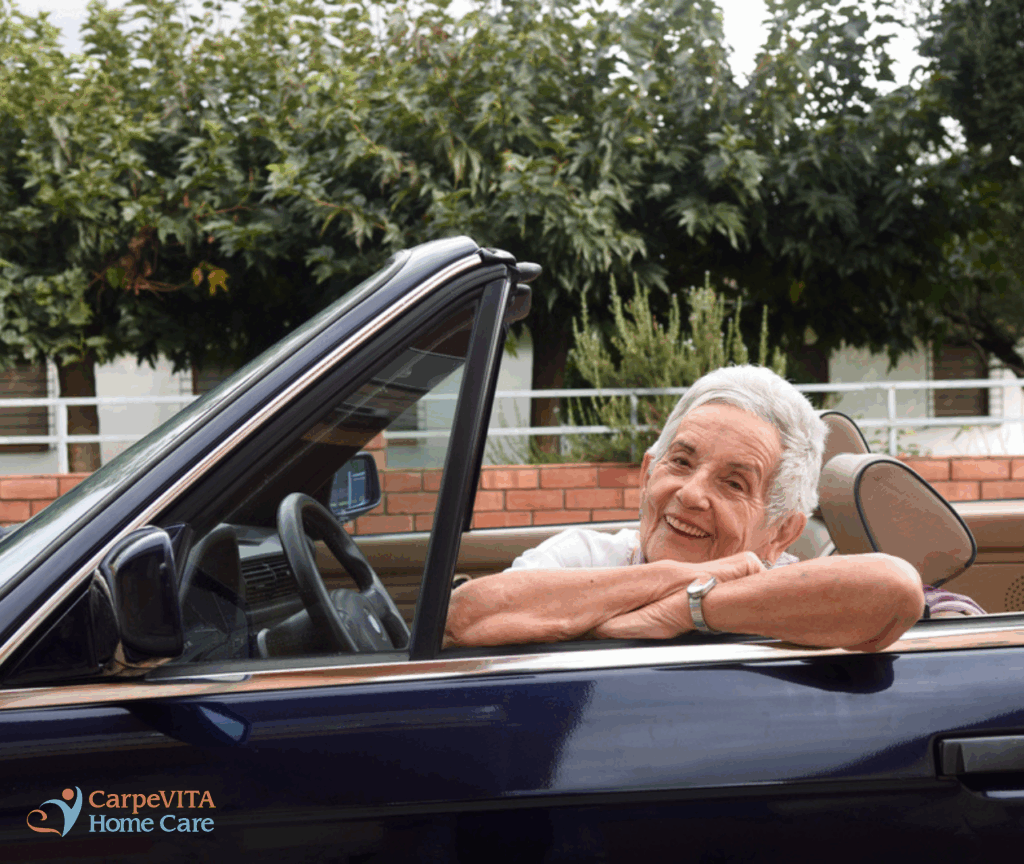
Spring has a way of stirring something deeper than just cleaner air and brighter days. For seniors, it often becomes a season of quiet reflection. As nature wakes up, many older adults begin to reassess what independence truly means in this stage of life. Not in a dramatic way, but in small, honest moments that add up.
Independence in later years is rarely about doing everything alone. Spring gently reveals that it is more about feeling capable, confident, and connected.
The Season That Highlights Change
Spring makes change visible. Trees bud, flowers bloom, and routines shift naturally. For seniors, this contrast can be powerful. Winter often limits movement and social interaction, keeping life contained indoors. Spring opens doors, literally and emotionally.
With that opening comes awareness.
Many seniors begin to notice:
• How their bodies respond to increased activity
• Which movements feel easier and which feel uncertain
• What they avoided during winter without realizing it
This awareness does not signal weakness. It signals honesty.
Independence Looks Different Than It Used To
Earlier in life, independence often meant speed, strength, and self-sufficiency. As people age, those definitions no longer fit neatly.
Spring brings opportunities to test limits in gentle ways. A walk outside. Gardening. Visiting a neighbor. Running small errands.
During these moments, seniors may realize that independence now feels more like:
• Moving without fear
• Making choices at their own pace
• Knowing when to ask for help without shame
• Feeling safe in familiar and unfamiliar spaces
This shift can be emotional, but it is also freeing.
Movement Reveals Confidence, Not Just Ability
As weather improves, seniors tend to move more. That movement quickly becomes a mirror.
Some discover renewed confidence. Others notice hesitation they had not acknowledged before. Spring does not create these feelings, it reveals them.
Walking outdoors, navigating uneven paths, or standing for longer periods can bring up questions:
Do I trust my balance?
Am I comfortable outside my routine?
Do I feel steady enough to enjoy this?
These questions are not about loss. They are about recalibration.
The Emotional Side of Independence
Independence is deeply emotional. Spring amplifies that emotional layer because it is associated with growth, freedom, and renewal.
Seniors may feel proud of what they can still do, but also frustrated by what feels harder. Both emotions can exist at the same time.
This season often encourages seniors to redefine independence as:
• Feeling in control of daily decisions
• Maintaining dignity while receiving support
• Staying engaged with life rather than withdrawing from it
Independence becomes less about proving capability and more about preserving quality of life.
Why Spring Encourages Honest Self-Assessment
Spring removes some of the protective layers winter provides. There are fewer excuses to stay still or disengaged. With that comes clarity.
Seniors may notice:
• Increased fatigue with activity
• Changes in coordination or endurance
• A stronger desire for routine and predictability
Rather than signaling decline, these observations create an opportunity for proactive adjustments.
Spring invites planning rather than reacting.
Support as a Form of Independence
One of the biggest realizations spring brings is that support does not cancel independence. In many cases, it strengthens it.
When seniors accept assistance with certain tasks, they often gain more freedom overall.
Examples include:
• Using mobility aids to move confidently outdoors
• Accepting help with transportation to stay socially active
• Modifying the home to reduce risk and increase comfort
These choices protect independence instead of threatening it.
The Role of Environment in Feeling Independent
Spring encourages seniors to re-engage with their surroundings. This re-engagement often highlights how environment affects independence.
Clear pathways, good lighting, safe outdoor access, and supportive seating all influence how confident a senior feels.
When the environment works with the body, independence feels natural rather than forced.
Small environmental changes can dramatically improve how seniors experience daily life.
Independence Is Also About Emotional Safety
Feeling independent requires emotional safety. Seniors need to feel respected, not rushed or judged.
Spring often brings more interactions with family, neighbors, and community. These interactions can either reinforce confidence or increase self-doubt.
When seniors feel heard and supported, they are more likely to explore, move, and engage.
Independence grows in environments where seniors are allowed to move at their own pace.
Redefining Success This Season
Spring encourages seniors to redefine what success looks like.
Success might mean:
• Taking a short walk and feeling steady
• Spending time outdoors without anxiety
• Asking for help early instead of after exhaustion
• Enjoying the season without fear of falling or fatigue
These victories matter. They build momentum and confidence.
A Season of Empowered Adjustment
Spring is not asking seniors to go back to who they were. It invites them to become who they are now, with awareness and intention.
Reevaluating independence does not mean giving it up. It means reshaping it to fit reality, comfort, and safety.
This season reminds seniors that independence is not a fixed state. It evolves, just like life itself.
The Quiet Truth Spring Reveals
Spring shows seniors that independence is not about doing more. It is about feeling secure enough to live fully.
When seniors move with confidence, make informed choices, and accept support without guilt, independence becomes sustainable.
Spring does not take independence away. It helps redefine it in a way that honors strength, experience, and self-respect.
And sometimes, that redefinition is the most powerful kind of freedom.

