
Why Is Medication Safety Important During Herbal/Prescription Interaction Awareness Month?
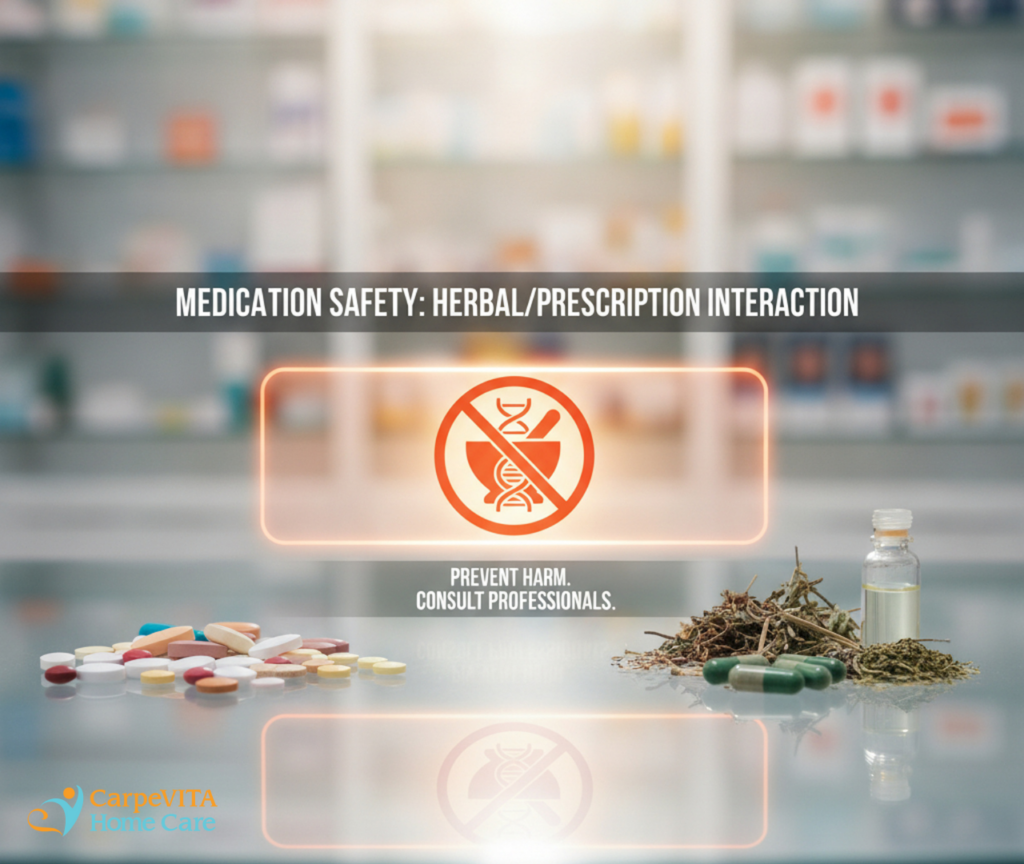
Medication safety is important during Herbal/Prescription Interaction Awareness Month because some herbal supplements, vitamins, and natural remedies can interact with prescription medications, potentially reducing their effectiveness or causing harmful side effects. Understanding these interactions can help seniors, caregivers, and families make informed healthcare decisions and reduce preventable health risks.
Herbal/Prescription Interaction Awareness Month serves as an important reminder that “natural” does not always mean safe. Many people use herbal products alongside prescription medications without realizing that certain combinations can affect how medications work in the body. Taking steps to review all medications and supplements with healthcare providers can help improve safety and support better health outcomes.
What Are Herbal and Prescription Drug Interactions?
A drug interaction occurs when one substance affects the way another substance works. Herbal supplements contain active ingredients that can influence how prescription medications are absorbed, processed, or eliminated by the body.
These interactions may:
- Increase medication side effects
- Reduce medication effectiveness
- Change blood pressure levels
- Affect blood sugar control
- Increase bleeding risks
- Impact heart function
Because herbal products are widely available without prescriptions, many people assume they are harmless. However, some supplements can significantly affect medical treatments.
Why Seniors Face Greater Risks
Older adults are often at higher risk for medication interactions because they may take multiple medications to manage chronic health conditions.
Common conditions that require ongoing medication include:
- High blood pressure
- Diabetes
- Heart disease
- Arthritis
- Osteoporosis
- Chronic pain
- Sleep disorders
The more medications and supplements a person takes, the greater the chance of an interaction.
Age-related changes in the body can also affect how medications are processed, making medication safety especially important for seniors.
Common Herbal Products That May Interact With Medications
Many herbal supplements have the potential to interact with prescription drugs.
Examples include:
- St. John’s Wort
- Ginkgo biloba
- Ginseng
- Garlic supplements
- Echinacea
- Valerian root
- Kava
- Turmeric supplements
These products may affect certain medications used to treat heart conditions, depression, blood clotting disorders, diabetes, and other health concerns.
Individuals should always consult healthcare providers before adding supplements to their routines.
Possible Consequences of Drug Interactions
Not all interactions cause immediate symptoms, but some can lead to serious health complications.
Potential consequences may include:
- Excessive bleeding
- Increased blood pressure
- Dizziness
- Confusion
- Drowsiness
- Irregular heartbeat
- Reduced treatment effectiveness
- Increased risk of hospitalization
Early identification of interactions can help prevent avoidable health emergencies.
Why Medication Reviews Matter
Regular medication reviews are one of the best ways to improve safety.
During a medication review, healthcare providers evaluate:
- Prescription medications
- Over-the-counter products
- Herbal supplements
- Vitamins
- Minerals
- Nutritional products
The goal is to identify possible interactions and ensure all products work safely together.
Medication reviews are especially important when:
- Starting a new medication
- Adding a supplement
- Experiencing unusual symptoms
- Changing healthcare providers
- Being discharged from a hospital
Keeping an updated medication list can make these reviews more effective.
The Importance of Communication With Healthcare Providers
Many people forget to mention herbal products during medical appointments because they do not consider them medications.
However, healthcare providers need complete information to identify potential risks.
Be prepared to discuss:
- Prescription medications
- Herbal supplements
- Vitamins
- Over-the-counter medications
- Nutritional drinks
- Natural remedies
Open communication allows healthcare professionals to provide safer and more personalized recommendations.
How Caregivers Can Support Medication Safety
Caregivers often play an important role in helping seniors manage medications safely.
Helpful caregiver responsibilities may include:
- Maintaining medication lists
- Organizing medications
- Monitoring for side effects
- Attending medical appointments
- Asking questions about new products
- Encouraging medication reviews
Caregivers can also help ensure healthcare providers are aware of all supplements being used.
This support can reduce the likelihood of medication-related complications.
Reading Labels Carefully
Product labels provide valuable information about ingredients, dosage instructions, and warnings.
Before starting any supplement:
- Read ingredient lists carefully
- Follow recommended directions
- Check for warning statements
- Avoid exceeding recommended doses
- Discuss concerns with healthcare providers
Taking multiple products with similar ingredients can sometimes increase health risks.
Careful label review helps support safer use.
Seasonal Wellness and Medication Safety
Herbal/Prescription Interaction Awareness Month encourages people to review health routines and wellness products.
During seasonal health campaigns, many individuals may begin using:
- Immune support supplements
- Herbal teas
- Natural sleep aids
- Energy supplements
- Weight management products
Even temporary use of these products may create interaction risks.
Before trying a new supplement, it is important to verify that it will not interfere with existing medications.
Creating a Medication Safety Checklist
A medication safety checklist can help individuals stay organized and informed.
Helpful items include:
- Keep an updated medication list
- Include all supplements and vitamins
- Review medications regularly
- Report unusual symptoms promptly
- Follow prescribed dosing instructions
- Ask questions before starting new products
- Store medications safely
- Use one pharmacy when possible
Consistent medication management can help reduce preventable risks.
Signs That May Suggest a Medication Interaction
Although symptoms vary, some warning signs may indicate a possible interaction.
Potential signs include:
- Unexpected dizziness
- Excessive drowsiness
- Changes in blood pressure
- Increased bruising
- Confusion
- Rapid heartbeat
- Unusual fatigue
- Digestive discomfort
Any new or concerning symptoms should be discussed with a healthcare professional promptly.
Early intervention may prevent more serious complications.
Why Awareness Matters
Herbal/Prescription Interaction Awareness Month helps educate the public about medication safety and encourages informed healthcare decisions.
Awareness efforts can help:
- Reduce preventable medication problems
- Improve communication with healthcare providers
- Encourage medication reviews
- Promote safe supplement use
- Support healthy aging
Understanding potential interactions allows individuals to take a more active role in managing their health.
Conclusion
Medication safety is especially important during Herbal/Prescription Interaction Awareness Month because herbal supplements and prescription medications can sometimes interact in harmful ways. Seniors, caregivers, and families can reduce risks by maintaining accurate medication lists, discussing all products with healthcare providers, and participating in regular medication reviews. By staying informed and proactive, individuals can support safer treatment plans, avoid preventable complications, and protect their long-term health and well-being.

