
How Can World First Aid Day Help Families Prepare for Medical Emergencies?
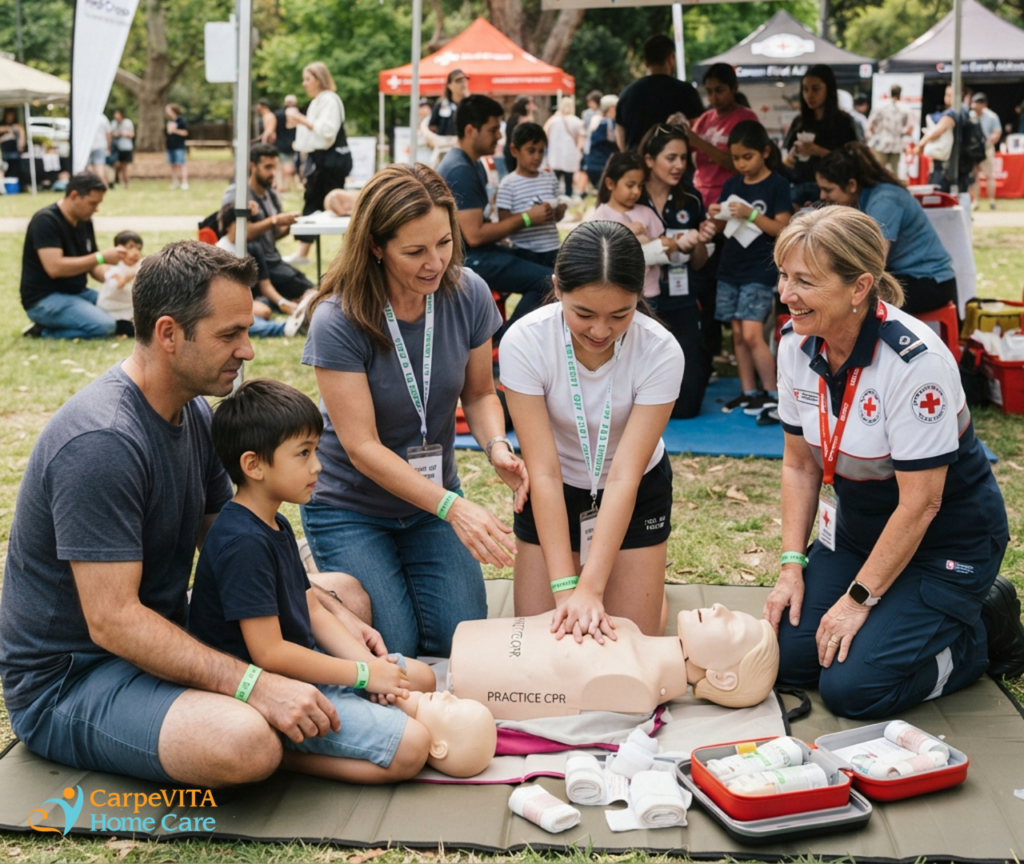
World First Aid Day can help families prepare for medical emergencies by encouraging them to learn basic first aid, organize emergency supplies, and create simple response plans. For families caring for older adults, preparation can provide greater confidence when unexpected situations happen at home. Knowing what to do while waiting for professional medical help can make an important difference.
Observed each year in September, World First Aid Day highlights the value of first aid knowledge and emergency preparedness. For senior care families, it is a useful reminder to review home safety, update emergency information, and make sure caregivers know how to respond appropriately during an emergency.
Why First Aid Preparation Matters for Seniors
Older adults may have mobility challenges or other age-related needs that require additional planning during an emergency.
Families can prepare by:
- Keeping emergency contacts available
- Learning basic first aid skills
- Maintaining a stocked first aid kit
- Reviewing home safety
- Creating an emergency communication plan
- Knowing when to seek professional medical help
Preparation helps families respond calmly instead of searching for information during a stressful moment.
Build a Well-Stocked First Aid Kit
Every home should have basic first aid supplies that are easy to find.
A household kit may include:
- Adhesive bandages
- Sterile gauze
- Medical tape
- Disposable gloves
- Antiseptic supplies
- Clean scissors
- A digital thermometer
- Emergency contact information
Families should regularly check supplies and replace items that are expired, damaged, or missing.
Keep Emergency Contacts Easy to Find
Important phone numbers should be accessible to everyone involved in care.
Create a simple emergency contact list that includes:
- Local emergency services
- Primary healthcare provider
- Family members
- Caregiver contacts
- Pharmacy information
- Important household contacts
Keep a copy near the phone and in another easily accessible location.
Create a Simple Emergency Plan
A written plan can help family members and caregivers know what to do.
The plan should identify:
- Emergency contact information
- Home address
- Preferred emergency contacts
- Important medical information
- Medication information
- Exit routes
- Meeting locations
Review the plan regularly and update it when information changes.
Make the Home Safer
Preventing accidents is an important part of emergency preparedness.
Families can:
- Remove loose rugs
- Keep walkways clear
- Improve lighting
- Install appropriate handrails
- Keep frequently used items within reach
- Address slippery surfaces
These simple changes can help create a safer environment for older adults.
Learn Basic First Aid Skills
Families and caregivers can benefit from learning basic first aid through qualified training programs.
Important skills may include understanding how to respond to:
- Minor cuts
- Burns
- Sprains
- Falls
- Choking situations
- Other common household emergencies
Training should come from recognized organizations or qualified professionals.
Know When to Seek Emergency Help
First aid is not a replacement for professional medical care.
Families should know how to recognize situations that require immediate medical attention and follow appropriate emergency procedures. When an emergency occurs, contact local emergency services when necessary and follow instructions provided by trained professionals.
Having a plan in advance can make these decisions easier.
Prepare for Falls
Falls are an important home safety concern for many older adults.
Families can reduce hazards by:
- Keeping floors clear
- Adding adequate lighting
- Using secure handrails
- Improving bathroom safety
- Encouraging appropriate footwear
- Addressing uneven surfaces
If a fall occurs, caregivers should avoid taking unnecessary risks and seek professional medical assistance when needed.
Organize Important Health Information
Emergency preparation also includes keeping important health information organized.
Families can maintain an updated record of:
- Current medications
- Known allergies
- Healthcare providers
- Emergency contacts
- Relevant medical information
- Care preferences
Keep this information secure but accessible to appropriate caregivers and family members.
Include Professional Caregivers
If a senior receives home care, caregivers should know the family’s emergency plan.
Families can:
- Share emergency procedures
- Review important contacts
- Explain home safety features
- Identify emergency exits
- Discuss communication preferences
- Keep emergency supplies accessible
Clear communication helps everyone respond more effectively.
Review the Plan Every Season
World First Aid Day is a useful annual reminder, but emergency preparation should continue throughout the year.
Families can review their plans when:
- Seasons change
- A senior’s needs change
- Medications change
- A new caregiver joins the household
- Emergency contact information changes
- Home modifications are completed
Regular reviews keep emergency plans useful and current.
Final Thoughts
World First Aid Day provides an important opportunity for families to prepare for unexpected situations while supporting the safety and well-being of older adults. Learning basic first aid, maintaining emergency supplies, organizing important information, and creating a clear response plan can help families feel more prepared. By reviewing home safety and emergency procedures regularly, caregivers and families can create a safer environment and respond more confidently when professional medical help is needed.
Legal Disclaimer: This post is strictly for educational use and should not be construed as professional advice (medical, legal, financial, or otherwise).

